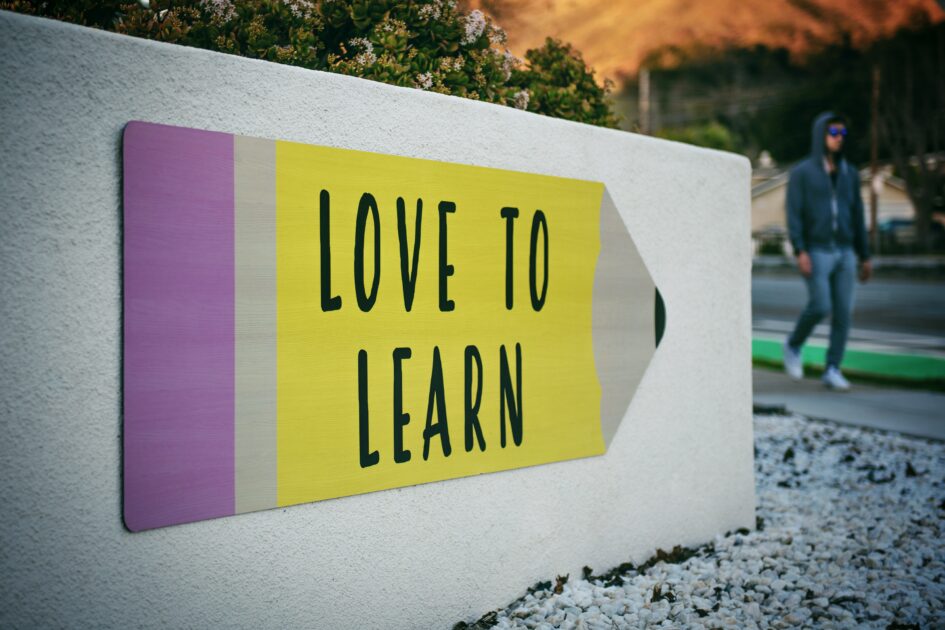
In today’s class we learned about Gamification and the effect that is can have in the classroom. Tina O’Keefe, an expert on gamification and coding in the classroom, zoomed in to talk to us a bit about how she used games and coding in her school as Esquimalt high school. She teaches a number of classes at her school that all allow students to explore coding and other forms of computer tech with substantial freedom. Her main goal of the class is to teach students how to learn rather than simply teaching them what to learn. I think this aligns pretty well with the B.C core competencies, as well as permits students to explore and engage in areas they are most interested in.
While Tina provided a lot of resources on coding and other computer building skills such as Nitro Type, Freetypinggame.net, Microbits, and more, the resource that stuck out to me the most was Google read and write. This platform looks very similar google docs but has a section built into it that allows for a higher level of accessibility to students who may struggle in their reading and writing abilities. Students can have a voice recording read off what they wrote and change the playback speed to fit their needs best. There is also an option on this platform that allows for students to highlight words/terms that they don’t understand which creates a separate document containing all of them. From there they can create a vocab list with the meanings of each word and include symbols or images for a more visual guide. This is a resource that I will definitely be using in my classroom when I get access to it.
Lastly, in class we explored the website Hour of Code which contains multiple resources to teach coding to students. Each activity also lists the appropriate age range it is targeted at and a description of the game. I chose to explore “Minecraft Hour of Code” which inside contains several simple introduction coding practices. The one I did was called “Minecraft Voyage Aquatic” where you get your Minecraft character to move around in a Minecraft word by using various coding. I think this would be a good resource for introducing coding in a primary class anywhere from grades 2-5. Minecraft is something that a lot of students are already a familiar with so that would make this activity even more engaging. I also found it pretty straightforward to use even though I had never done and coding before which I liked. For those who had experience with coding this may be a tad bit too easy, but I think as a intro to coding this would be an effective resource.
Gamification: teaching and developing learning through game playing
Indigenous Pedagogy: The 5 R’s
In the Article, “The Five R’s for Indigenizing Online Learning: A Case Study of the First Nations Schools’ Principals Course” It describes the importance of incorporating Indigenous pedagogy into the education. While navigating this subject can be sometimes challenging for educators this article highlights 5 principles to help better incorporate this: respect, relevance, reciprocity, responsibility, and relationship.
- Respect. This refers to respecting all students regardless of their culture and background. It establishes the need to recognize Indigenous cultures and ways of life in and out of the classroom. This means acknowledging their cultural norms and upholding them whenever possible.
- Reciprocity. In the article it describes this as research that is, “mutually beneficial to research and participants instead of solely the researcher.” This means that all research and learning should be done in a way that benefit everyone not just one’s self. In a classroom, the teachers voice should not be the only one used to teach. Instead, student should have opportunities to share with one another and contribute to the learning process in an active way. Online options to increase attendance and accessibility are another way this can be achieved.
- Relevance. Make sure that the resources and subject’s you cover go beyond just the surface level. Don’t solely use the first resource that pops up when looking for materials and make sure that what you are suing is accurate and relevant to what is happening right now. The article states the importance of going beyond just books. Bring in Elders, and connect with those in the community to get a more holistic perspective and learning experience.
- Relationships. Learning cannot be done without relationships. Forming relationships both in the class as well as in the community, specially with the Indigenous community in your local area is so important when embedding this into the class. It is also another way to mend relationships that have been continously broken through colonization practices.
- Responsibility. When incorporating Indigenous pedagogy into education both the educator (the teacher) and the students have a responsibly to not only acknowledge, but also practice Indigenous values. We are all all a part of decolonizing the classroom and making a change to ensure Indigenous education is supported and recognized in schools. This means recognizing our privileges (as a non-Indigenous person) and acknowledging our mistakes.
There is no perfect science to incorporating Indigenous pedagogy into the education system but following the “5 R’S’ is a great start. Every attempt we make is contributing towards a effort to tend and grow our relationships to our Indigenous communities. If you haven’t had a chance to check out this article, I high recommend you do.
Leave a Reply
You must be logged in to post a comment.